
Bed 4 Bees Project: Beds for bees in the city of Geneva
According to data gathered in the literature in recent years, the diversity and abundance of wild bees in urban areas benefit from the availability of food resources, the diversity of microhabitats and connectivity between green spaces (urban green network).
Urban parks are particularly strategic as they can contain large quantities of flowering plants and often benefit from differentiated management. Species that nest in cavities appear to be favoured by the urban environment and are often proportionally more abundant in cities. However, most wild bee species nest in the ground. Nesting sites for ground-nesting bees therefore appear to be a limiting factor in this context.
With this project, we combine a prospective and an experimental approach to rapidly provide simple solutions that increase the availability of microhabitat resources for ground-nesting bees in urban parks. To achieve this, we first propose to identify existing potential nesting sites in parks, using data available in the literature as well as data collected in situ. Based on these results, we will test various artificial nesting structures with different properties in terms of substrate type and assess their attractiveness.
The main objectives of the project are:
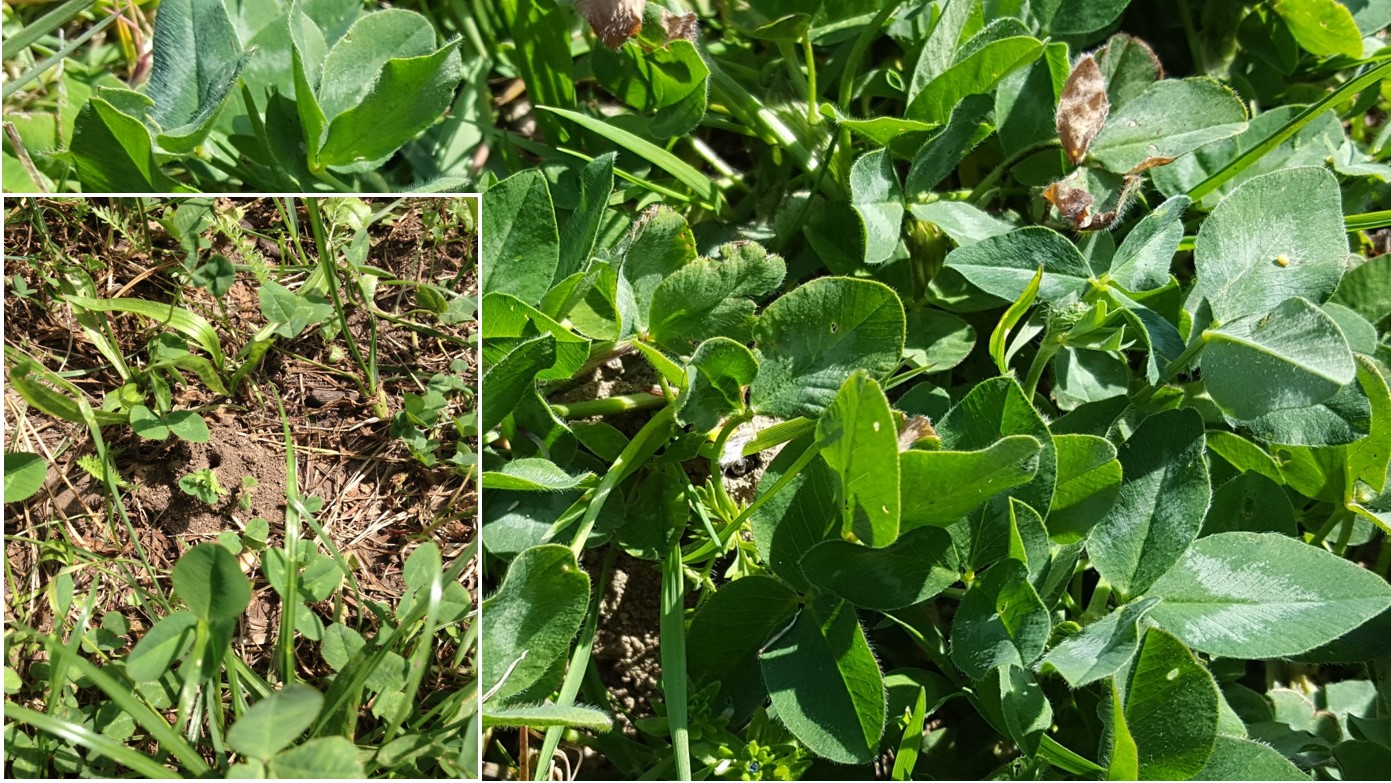
Thumbnail image © Léo Méroth
Project partner(s)

Project leader - team
Charlène Heiniger
(HEPIA),
Patrice Prunier
(HEPIA)
