-
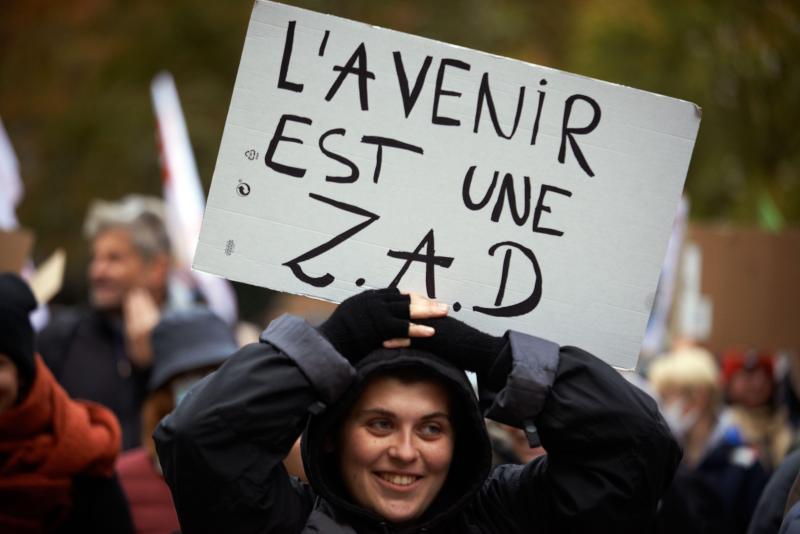
Arts of Commoning
In this publication, the authors introduce us to the issues at stake in their research-guided art project Arts of Commoning, from which this dossier originates.
-

“Immense Capacities for Creative, Revolutionary Practice”
This dialogue with one of the preeminent historians of the Atlantic commons, ranges across the rich history of mutualist invention and solidarity, from the aesthetics of commoning to the resistance to industrial “counter-revolution,” from the Jacquard loom targeted by Ned Ludd to contemporary data centers and AI, from The Book of Ruth to the Forest Charter, and from the Many-Headed Hydra to the jubilee. Linebaugh reminds us that commoning was born and lives on in class struggle, “within as well as beyond capitalist institutions.”
-
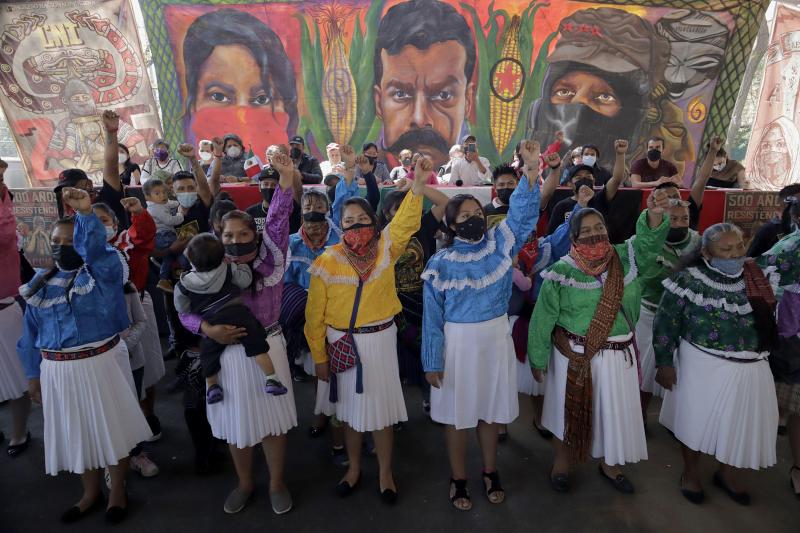
“Commoning is the Art of Enactment”
In this wide-ranging conversation, Massimo De Angelis reflects on the commons as both a living tissue of everyday cooperation and a systemic force capable of reorganizing social reproduction beyond capitalism. Drawing from his forthcoming book The Pyramid and the Common, he traces how commoning unfolds as praxis—an art of enactment entangled with capital yet oriented toward autonomy, care, and habitability. The discussion moves through key fault lines of our time: the ambivalent role of the state in eco-socialist transitions; the confrontation between effectiveness and efficiency in technological development; the aesthetics and sensuous allure of commoning as music, dance, and art; the imagination of more-than-human commons; and the emergence of “commoners’ sense” in an age of planetary crisis and war. What emerges is a vision of commoning as both resistance and composition—a practice that dissolves the old while rehearsing, rhythm by rhythm, the forms of a livable world.
-
An Alter-Politics of Love
In this deep-reaching dialogue, Alexandros Kioupkiolis sets out the logic of a counter-hegemonic strategy for advancing a commons-based eco-socialist politics, assesses the legacies of horizontally organized social movements, offers critical evaluations of artificial intelligence and digital technologies, and affirms the political importance of love in a planetary conjuncture of deep social and ecological polycrisis.
-

“Understanding the territory and the needs of the community”
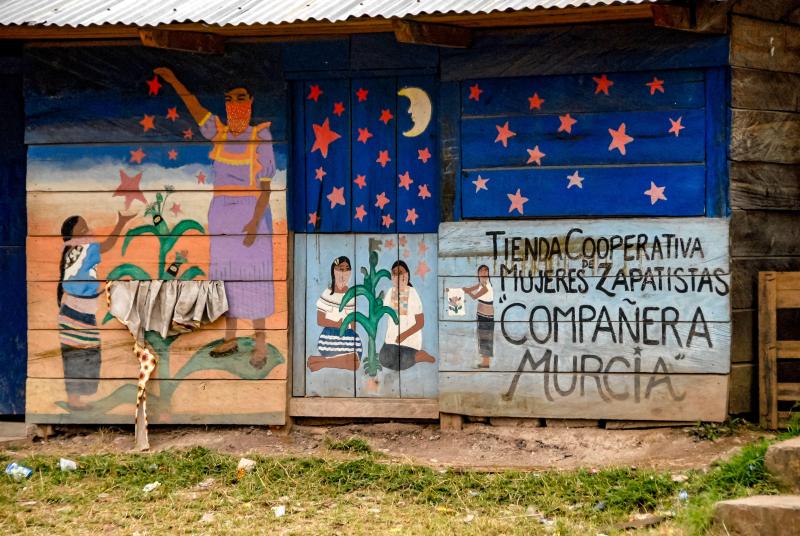
In this engaging conversation, teacher, feminist activist and eminent theorist and historian of the commons Silvia Federici sets out her views on commoning and feminism, capitalist enclosure, enchantment and the Internet, the Zapatistas and eco-socialism, and current prospects for a progressive liberational politics.
-
“The Thick Intelligence of the Commons”
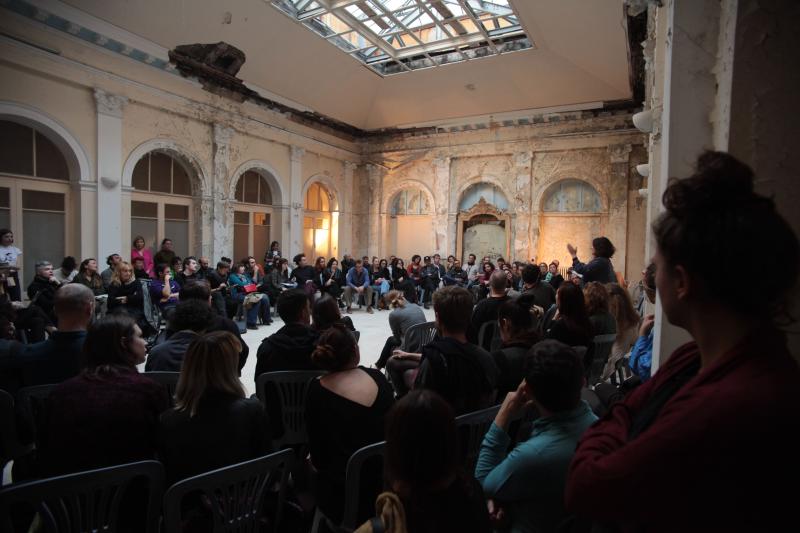
This lively and provocative discussion with anthropologist, curator and filmmaker Massimiliano Mollona considers commons as “a thick texture of life, where aesthetics and political economy cannot be separated from the consciousness of living in a non-reified and complete world.” Discussing the experience of his political initiatives on the borders with art, including the Institute of Radical Imagination (IRI) and OMONOIA, the 2015-17 Athens Biennale, Mollona points up the solidarities and potentialities catalyzed in “art/commons.”
-

To Redeem Hope
This wide-ranging interview with architect and activist Stavros Stavrides opens up the spatial and urban dimensions of commoning, while recognizing some of the most influential contemporary rural commons. From Athens to Gaza, and from Chiapas to Rojava, Stavrides discusses the need to go beyond mere “enclaves” toward “expanding commons” that sustain multiple openings to newcomers and their contributions. Discussing “memory commoning” and iconoclastic defacement, he elaborates his appropriation of “thought-images” that seed the political and artistic imagination.