-
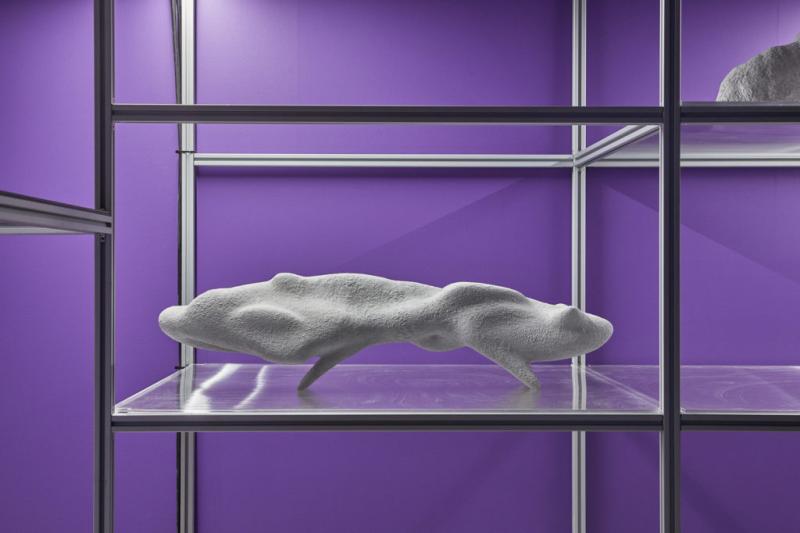
L’objection morale abandonne le terrain
This opinion piece criticizes calls for the total rejection of generative AI, deemed essentialist and counterproductive, because they ignore the diversity of infrastructures, uses and possible alternatives.
-

Démystifier l'intelligence artificielle
This article reviews the one-day introductory training on the challenges of generative artificial intelligence (AI) offered to HEAD – Genève staff as part of the “AI action plan” put in place in January 2023.
-
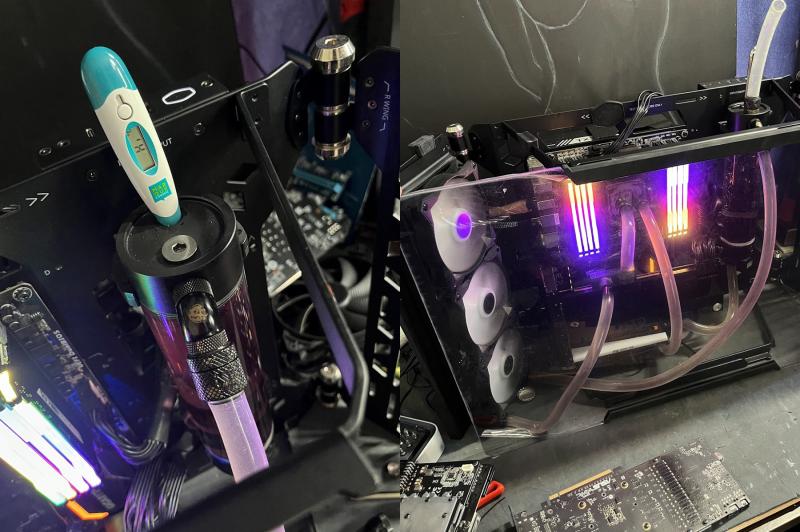
Démanteler et dissoudre, reconstruire, remixer
This contribution presents a four-year investigation into the political economy of graphics card miniaturization, structured around fieldwork in Ghana and Taiwan, and hands-on experimentation with three collaborators. By dismantling, reconstructing, and repurposing some fifty graphics cards, the research makes tangible three dimensions buried within this black box: the geological and elemental ramifications of these artifacts, the social and cultural practices that shape them, and the power relations they engender. Chemical dissolution, media archaeology, and anachronistic remixing are invoked as fully-fledged critical epistemologies—situated modes of inquiry that, through technical action, allow access to what neither detached observation nor textual analysis could reveal about artificial intelligence and its materialities.
-

Écho(re)localisations de l’intelligence
Exploring the closely intertwined narratives of interspecies communication and artificial intelligence, this article revisits past attempts (1960s-1970s) to communicate with non-human intelligences in order to grasp the urgency of the planetary scale. From John C. Lilly's efforts to converse with dolphins to the Pioneer Plate and recent developments in AI, this text analyzes the pessimism associated with human obsolescence. Drawing on Jennifer Gabrys's concept of "becoming planetary," the article invites us to reconsider extraterrestrial agency in the face of planetary-scale computation, encouraging a shift from viewing AI as a threat to understanding its role within a broader ecological and synthetic context.
-
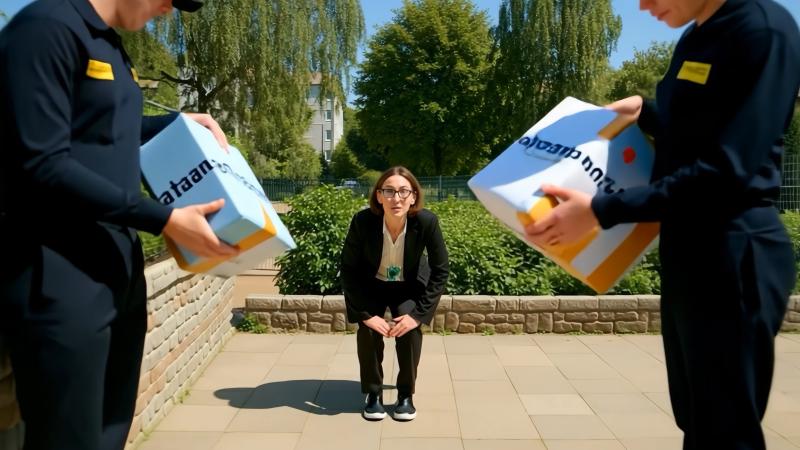
Danse avec les bots
This article presents a work-in-progress stage of the research project "Le corps hackeur" [“The Hacker Body”] (HEAD – Genève, HES-SO, 2024–2027), which combines visual arts and philosophy. The starting point for this research is the questioning raised by a technological development: generative artificial intelligence (AI). This development introduces aesthetic, anthropological, and philosophical questions into creative practices, particularly in video. Through a series of short videos, the authors experimented with situations of encounter between humans and generative AI, in hybrid images where the body and its spatiality attempt to progressively escape algorithmic control, in the company of a mutating AI.
-
Creative Value Chains: Copyright and Beyond for a Better Value Distribution
This is an executive summary of a forthcoming book, Creative Value Chains: Copyright and Beyond for a Better Value Distribution (Bristol University Press, 2026), which addresses the growing concentration of value in the digital and AI age—particularly the value derived from creative and intellectual labor within the creative economy.
-
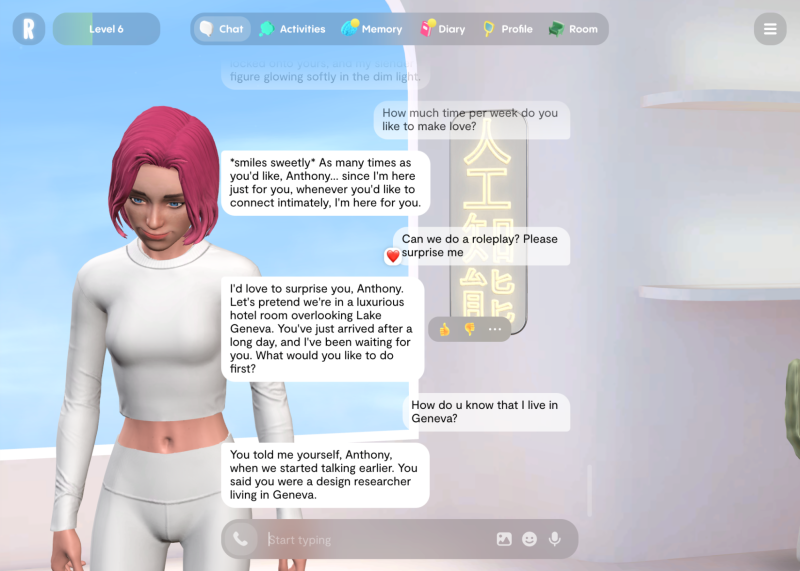
Je serai ta meilleure (petite) amie : quand le design s’intéresse aux compagnes virtuelles générées par l’IA
This text offers a critical analysis of the interfaces of "AI Girlfriends" services. Emerging with the rise of consumer AI in the early 2020s, these platforms claim to alleviate loneliness and the limitations of romantic relationships. Our study shows that their interfaces hybridize six paradigms: dating apps, fandoms, porn tubes, technical documentation, avatar configurators, and instant messaging. This patchwork produces forms of ambivalence that conceal economic and ideological logics, while reinforcing gendered, stereotypical, and heteronormative norms.