The Art of Transformation by Afshan Heuer
Dr Heuer’s talk focuses on the core of the experience of “looking at art”, what shapes the perceptions, interpretations and meaning-making processes of the viewer and how this can be turned into both an active and transformative learning experience.
Swimming with The Artists: A Humanitarian Worker’s Perspective by Paola Forgione
Driving from a personal experience as ICRC Delegate in conflict zones, the presenter reflects on how the artists’ perspective enriches the humanitarian action. The two sectors – art and humanitarian work – might seem far apart. The former is an abstract creative process expressing emotions, while the latter is a concrete action to support people affected by war. In fact, art and humanitarian work share a common ground, as they both find inspiration in humanity.
Reflecting and (re)focusing: art, humanity and humanitarianism by Katarzyna Grabska
In her current research INSPIRE, Katarzyna Grabska focuses on the inspiration of creative practice and artists working in conflict zones and in exile. She collaborates often with artists in her research, and engages with art-based research to understand issues of belonging, displacement, mobilities and identities.
Jardín de mi Padre by Luis Carlos Tovar
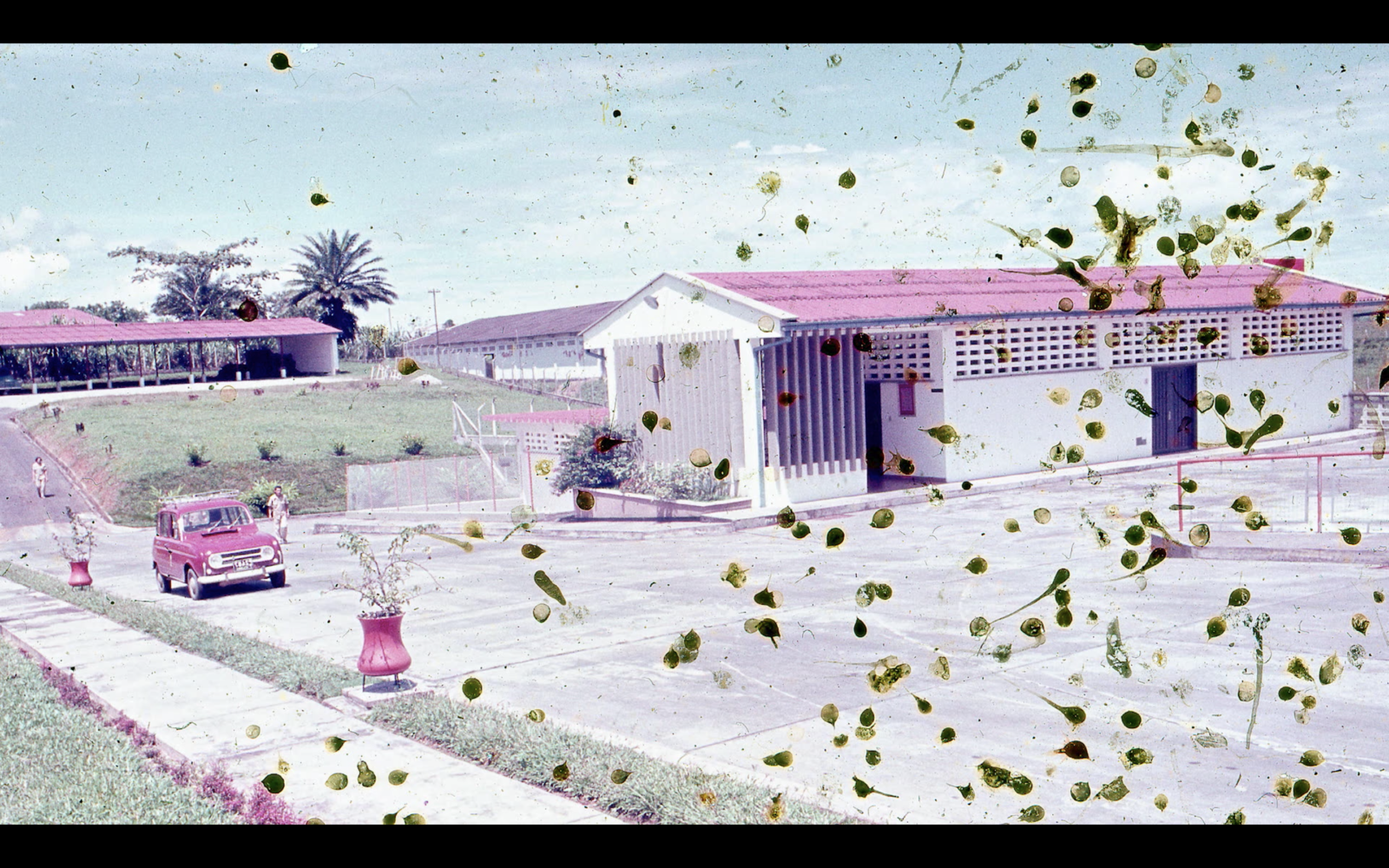
On 20 February 1980, Jaime Tovar was abducted by the Fuerzas Armadas Revolucionarias de Colombia (the Revolutionary Armed Forces of Colombia, or FARC) and forced to wander for months through the tropical rainforest of the Colombian Amazonia. His son Luis Carlos, the author of the book Jardín de mi padre, was just a few months old at the time. The guerilla fighters sent a Polaroid snapshot of their captive to his family as a proof that he was still alive. This project starts from the search for that uncertain photograph, but it reflects a process of rediscovery that transcends the event in itself. It is a poetic exercise that speaks of our finitude and contingent nature, that explores the legacy of the past as our only mode of survival. The absence of the fetish photograph catalyzes a performative visual essay that draws on the mechanisms of appropriation and collage, removing the practice of documentary and autobiographical photography from its conventional framework.