-
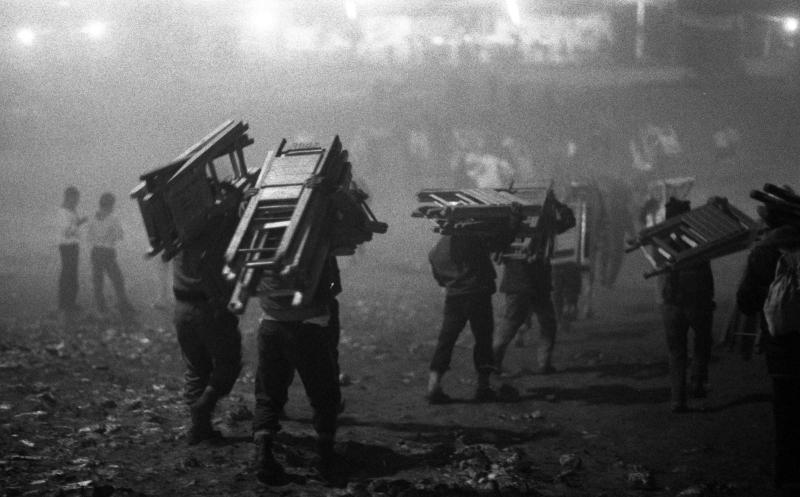
To Redeem Hope
Interview with Stavros Stavrides
Cet entretien approfondi avec l'architecte et activiste Stavros Stavrides explore les dimensions spatiales et urbaines des communs, tout en mettant en lumière certains des communs ruraux contemporains les plus influents. D'Athènes à Gaza, du Chiapas au…
-
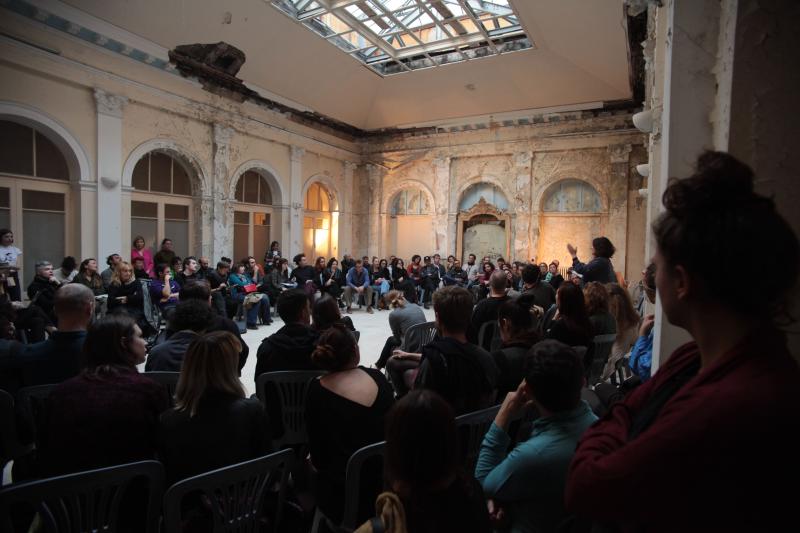
“The Thick Intelligence of the Commons”
Interview with Massimiliano Mollona
Cette discussion animée et stimulante avec l'anthropologue, commissaire d'exposition et cinéaste Massimiliano Mollona envisage les communs comme « une texture dense de la vie, où l’esthétique et l’économie politique ne peuvent être dissociées de la…
-
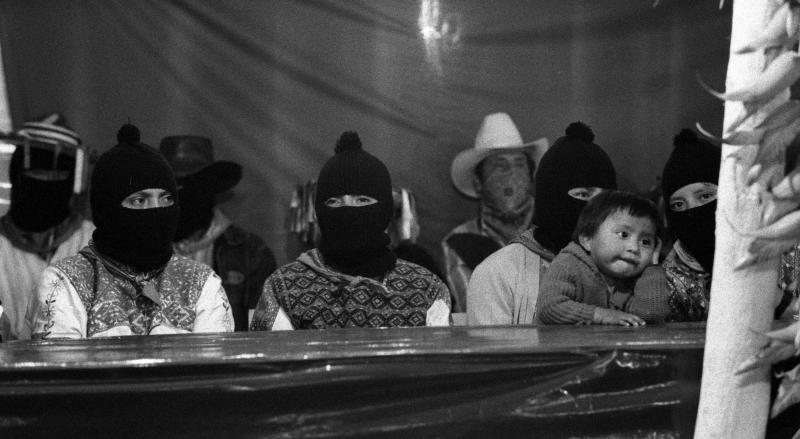
“Understanding the territory and the needs of the community”
Interview with Silvia Federici
Dans cet entretien captivant, l’enseignante, militante féministe et éminente théoricienne et historienne des communs Silvia Federici expose ses réflexions sur les pratiques de mise en commun (« commoning ») et le féminisme, les enclosures…
-
Dossier #30
Arts of Commoning
[Ce dossier contient les trois premiers entretiens réalisés dans le cadre du projet de recherche Arts of Commoning à la HEAD – Genève. D'autres suivront.]
Aujourd'hui, alors que la société mondialisée contemporaine continue de…
-
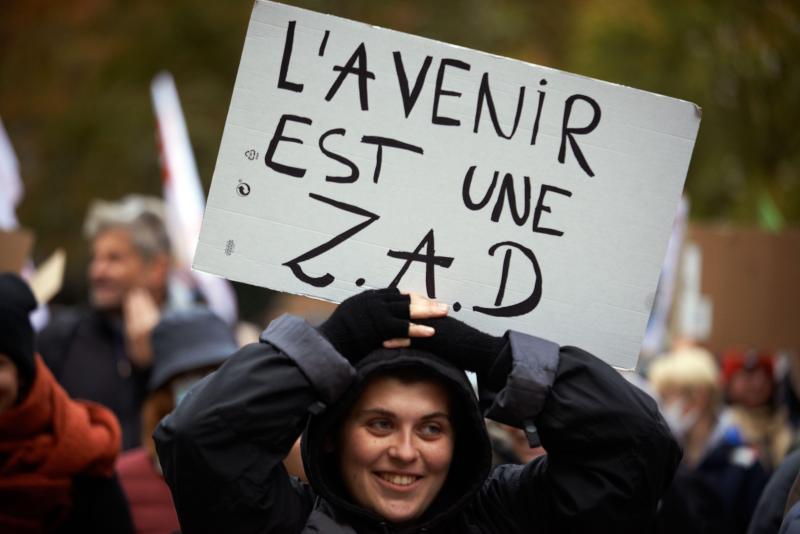
Arts of Commoning
Introduction
Dans cet article, les auteur·ices nous présentent les enjeux de leur projet de recherche artistique, Arts of Commoning, dont est tiré ce dossier.
-

“Immense Capacities for Creative, Revolutionary Practice”
Interview with Peter Linebaugh
L'un des plus importants historiens des communs atlantiques aborde la riche histoire de l'invention mutualiste et de la solidarité, de l'esthétique du commun à la résistance à la « contre-révolution » industrielle ; du métier Jacquard…
-
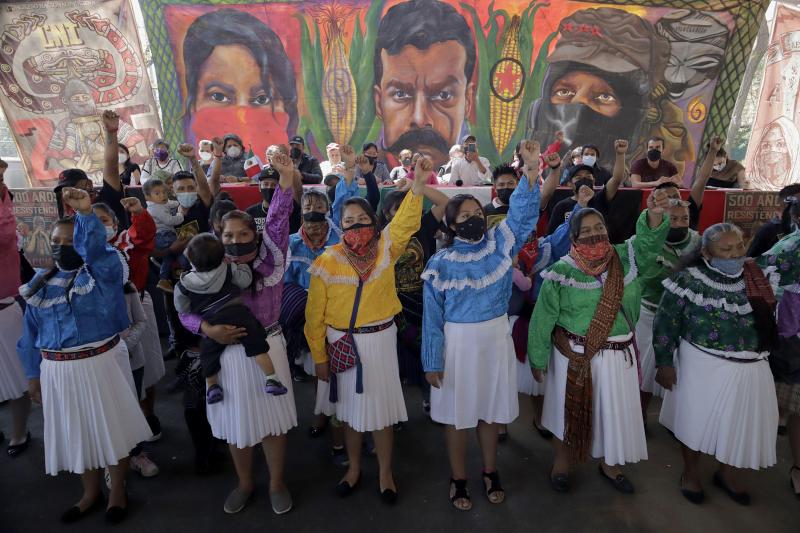
“Commoning is the Art of Enactment”
Interview with Massimo De Angelis
Dans cette conversation, Massimo De Angelis réfléchit en détail au faire commun, à la fois comme tissu vivant de la coopération quotidienne et comme force systémique capable de réorganiser la reproduction sociale au-delà du capitalisme. À partir de son…
-

An Alter-Politics of Love
Interview with Alexandros Kioupkiolis
Au fil de cet échange foisonnant, Alexandros Kioupkiolis expose la logique d’une stratégie contre-hégémonique visant à promouvoir une politique écosocialiste fondée sur les communs ; évalue l’héritage des mouvements sociaux organisés…
-

Rural Riots, Animist Rituals and Teaching from the Territory
A Conversation with the Laboratory of Insurrectionary Imagination
Enseignant du Programme master de recherche CCC et chercheur à la HEAD – Genève, Gene Ray s’intéresse aux pratiques radicales d’art et d’activisme à une époque de multiples crises sociales et écologiques. Poursuivant cette réflexion, il s’est entretenu…
-
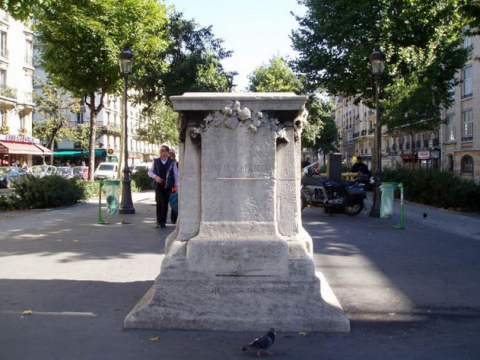
Ode to an Empty Plinth
Iconoclasm by Other Means
Dans un numéro de la revue October de 1997 consacré au Situationnisme, T.J. Clark et Donald Nicholson-Smith rejetaient le récit selon lequel l’IS aurait renoncé à l’art au profit de la politique au début des années 1960. En réalité, l…
-
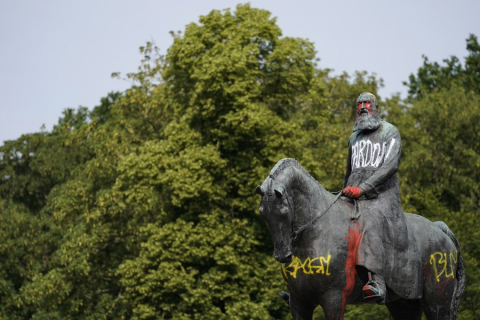
All Monuments Must Fall
Thinking Through the Proposition
Dans cette introduction, Gene Ray (HEAD – Genève, HES-SO) revient sur une série d’évènements récents, principalement en lien avec le mouvement Black Lives Matter, qui peuvent laisser penser qu’un nouvel iconoclasme a débuté. Il associe cette manière…
-
Dossier #8
All Monuments Must Fall : épisodes d'un iconoclasme du temps présent
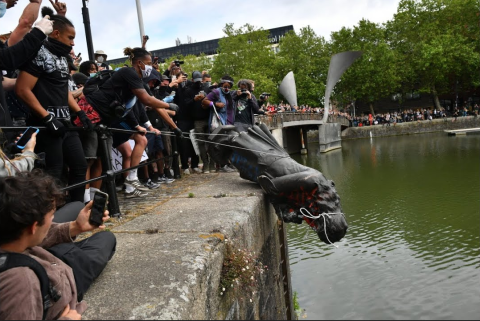
« All monuments must fall » (tout monument doit tomber). Quatre mots, un appel à la mobilisation et à l’action. Une mise en accusation de la terreur policière, une demande que cesse l’impunité. Un déboulonnement des patriarches…
-

Justice Afoot
Communing with the Friends of Acoma
Dans cet article, Gene Ray s’intéresse aux multiples échos de l’amputation du pied d’une statue équestre de Juan de Oñate par un collectif une nuit de 1998 au Nouveau-Mexique. Cet acte iconoclaste faisait référence à la mutilation, 400 ans plus tôt, d…
-
Diasporas of the So-Called Anthropocene
Notes in the Margins of "The Anthropocene Atlas of Geneva"
Le post-modernisme appelé par Gene Ray (HEAD – Genève, HES-SO) est celui d'un complet dépassement de la modernité capitaliste et de ses catastrophes. À partir d'une lecture des Thèses sur l'histoire et du Trauerspiel de Walter…