The Arts of Memorialization by Sophia Milosevic Bijleveld, Ph.D.
This presentation demonstrates the importance of putting the voices of victims and survivors at the center of memorialization practices during transitional justice processes. It explores the use of art-based memorialization practices in Kenya and Afghanistan and show how memorialization participates in different mechanisms of reconciliation and healing for both affected individuals and societies which have broken down due to violence.
Re-making Art as an Aid: Drawing on the Aesthetic and Ethical Engagement of Artists in the Post-Blast Beirut by Dr Azadeh Sobout
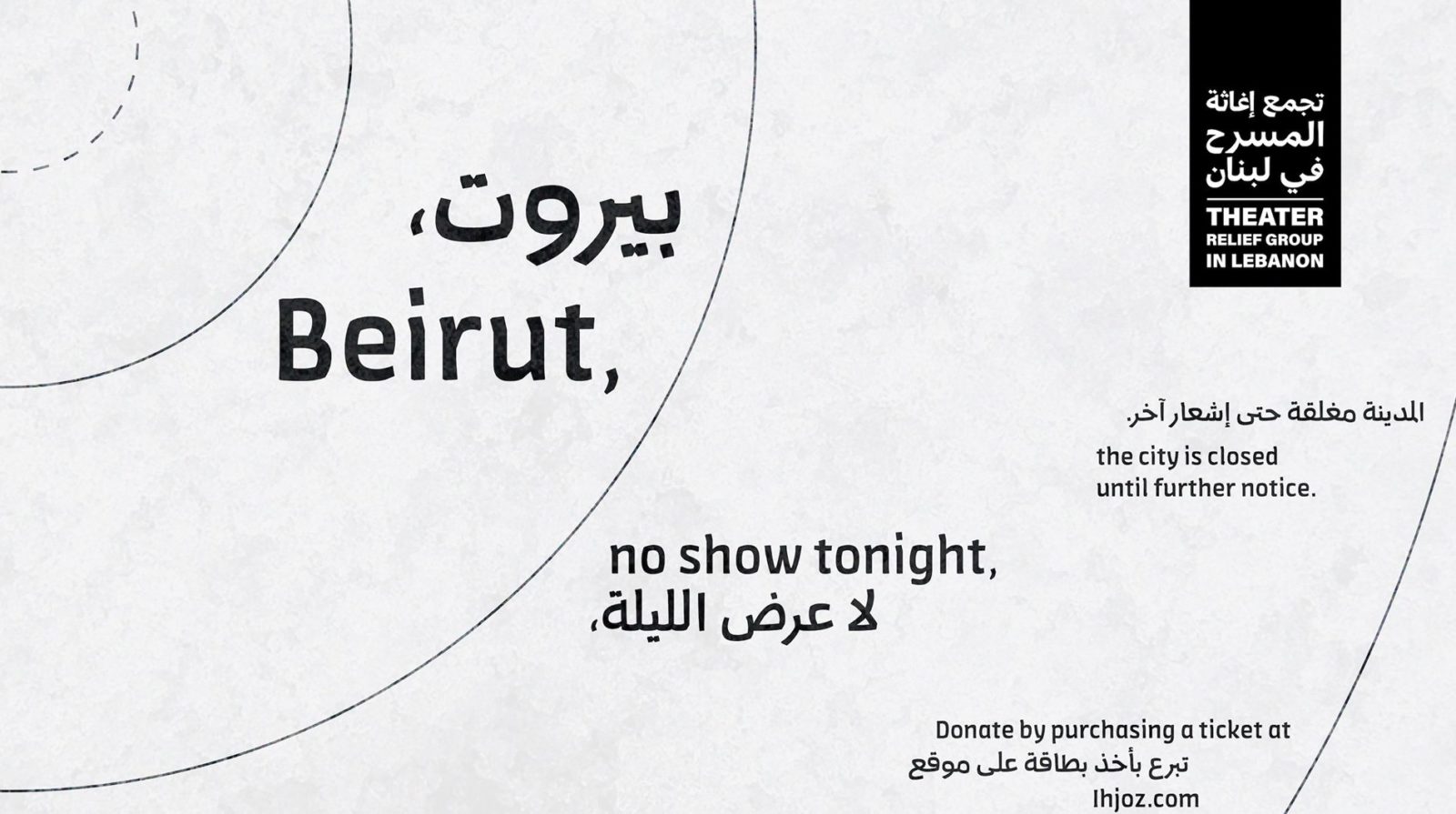
Shedding light on the critical contribution of artists in the aftermath of the Beirut blast (Aug 2020), this paper provokes reflection on a critically under-examined experience of artists in time of crisis. Documenting some of the works carried out by emerging artists and artist collectives, the paper proposes a critical framework for engaging with arts as a medium of healing and reconstruction contributing to the long-term process of transforming relationships, healing wounds, seeking justice and fostering human flourishing.
Ancient Greek Theatre as a Humanitarian Tool by Elodie Paillard
Ancient Greek tragedies contain many examples of characters going through humanitarian or personal disasters: army veterans, refugees, victims of domestic violence or social discrimination, to name but a few. These ancient works of art provide a safe platform from which to look at contemporary traumatizing events from a distant point of view. Actively involving distressed people in the performance of such plays offers many benefits, raising at the same time a series of questions that will be explored in this presentation.